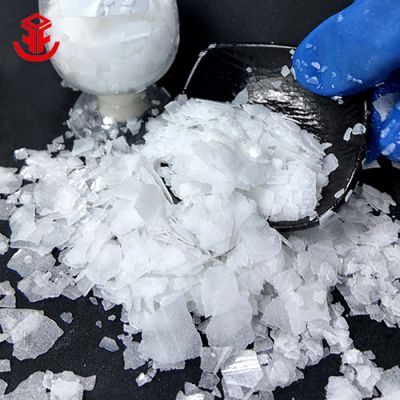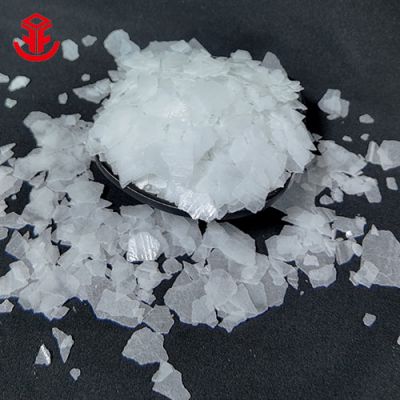
In the fast-paced realm of global chemical production, access to ultra-reliable, high-alkalinity reagents is fundamental. Industrial caustic soda serves as an irreplaceable foundation across energy, textiles, paper manufacturing, water treatment, and metallurgical refinement. Formulated to meet stringent technical standards, our high-grade alkali compound offers chemical stability, rapid dissolution rates, and exceptional reactivity, driving optimal efficiency in continuous manufacturing operations.
Whether your process demands fine flakes or uniform pearls, this high-purity lye compound provides predictable pH adjustment, efficient saponification, and robust organic breakdown. Manufactured using advanced membrane cell electrolysis technology, our supply minimizes iron and heavy metal residues, preventing equipment fouling while maximizing yield in downstream applications.
Pulp and Paper Production: In paper manufacturing, industrial caustic soda acts as a pivotal pulping agent. It breaks down tough lignin bonds separating cellulose fibers from wood structures, paving the way for smooth, high-strength paper products. Additionally, it plays an essential role in bleaching stages, ensuring optimal brightness and color stability without compromising fiber integrity.
Textile Processing and Mercerization: Textile manufacturers rely on this powerful base to treat cotton fibers through mercerization. By swelling the cellulose structure, the compound enhances fabric strength, boosts dye absorption, and imparts a distinct luster to finished textiles. It also assists in scouring processes to strip away natural oils and impurities before dyeing.
Water Treatment and Environmental Management: Facilities worldwide utilize industrial caustic soda for municipal and industrial wastewater management. It rapidly neutralizes acidic wastewater streams, regulating pH levels to meet environmental release standards. Furthermore, it precipitates toxic heavy metals out of solution, simplifying sludge dewatering and industrial filtration efforts.
Chemical Synthesis and Soap Manufacturing: As a core builder in chemical synthesis, this versatile alkali supports the production of soaps, detergents, synthetic resins, and specialized organic chemicals. Its swift saponification reaction converts fats and oils into clean, high-performance surfactants with minimal thermal waste.
Alumina Extraction and Metallurgy: In Bayer process operations, industrial caustic soda dissolves alumina-bearing minerals out of raw bauxite ore, separating pure aluminum oxide from insoluble iron oxides and silica impurities. Its thermal stability under elevated pressure makes it the standard choice for heavy metallurgy.
Membrane Cell Purity: Produced using state-of-the-art membrane technology, delivering higher concentration with exceptionally low chloride and chlorate levels.
Rapid Solubilization: Designed for quick dissolving in aqueous environments, reducing batch mixing times and cutting operational energy costs.
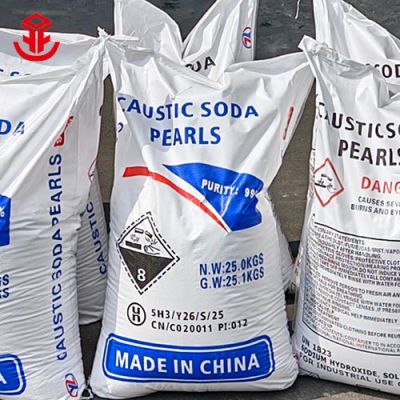
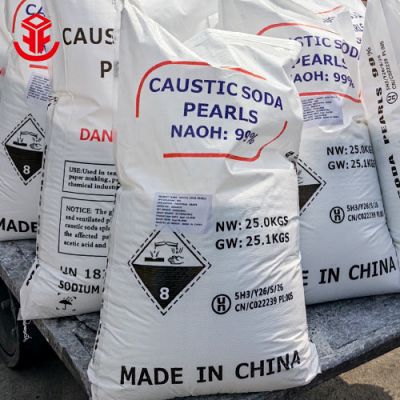
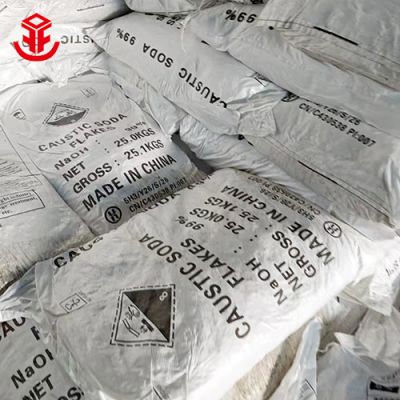
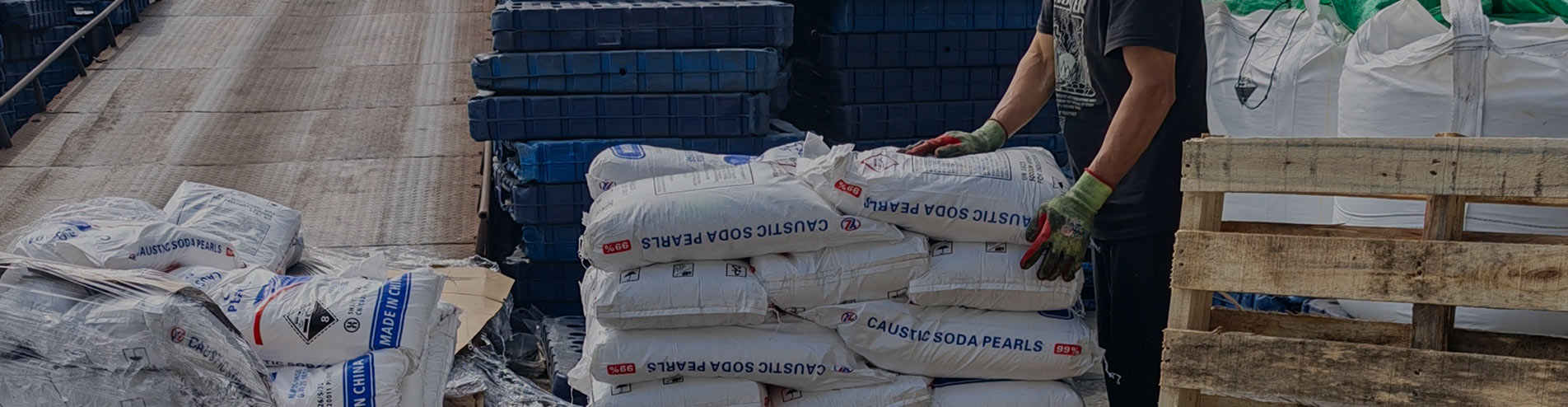
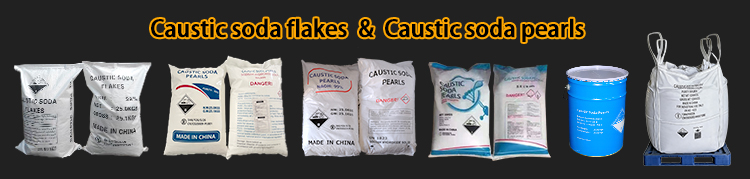
Moisture-Proof Packaging: Shipped in heavy-duty 25kg PP/PE woven bags with internal liners, moisture-resistant bulk sacks, or sealed steel drums to prevent caking and atmospheric degradation.
Streamlined Logistics: Backed by global supply chain networks, ensuring consistent order delivery, full MSDS documentation, and compliance with international hazardous material transport regulations.
Industrial caustic soda is a strongly alkaline chemical that requires strict safety protocols during storage, transit, and application:
Storage Environment: Store in cool, well-ventilated indoor facilities. Keep containers tightly closed to prevent moisture absorption and carbon dioxide uptake from ambient air.
Material Compatibility: Use storage containers constructed from nickel alloys, specialized stainless steels, or lined carbon steel. Avoid contact with aluminum, zinc, and tin to eliminate flammable hydrogen gas generation risks.
Personal Protection: Operators must wear alkali-resistant protective equipment, including neoprene gloves, chemical splash goggles, face shields, and heavy-duty aprons when handling open product containers or dry chemical transfers.
 Fangyuan(Tianjin) Chemical Co.,ltd...[ read more ]


Contact Person:Alice Wang
Tel:86-18622179529
Mobile Phone:86-18622179529
WhatsApp:86-18622179529
E-mail:admin@fangyuan-chem.com
Add:Room 908, Yinzuo Building, No. 35, Second Avenue, Tianjin Economic and Technological Development Area