
Soap making is both an art and a science, and at the heart of this ancient craft lies one essential ingredient: caustic soda (scientifically known as sodium hydroxide or lye).
If you are new to cold process soap making, working with caustic soda might feel intimidating. However, when handled with proper knowledge and respect, it becomes a simple, routine step in creating high-quality, all-natural bar soaps.
In this guide, we will break down what caustic soda is, why it is indispensable for soap making, how to calculate exact ratios, and the vital safety steps you must follow.
Caustic soda is an inorganic compound that acts as a strong alkaline base. In soap making, it serves a precise chemical purpose: saponification.
Saponification is the chemical reaction between fatty acids (oils and fats) and an alkali (caustic soda dissolved in water). During this process, the alkali breaks down the triglycerides in the oils and converts them into glycerol and soap molecules.
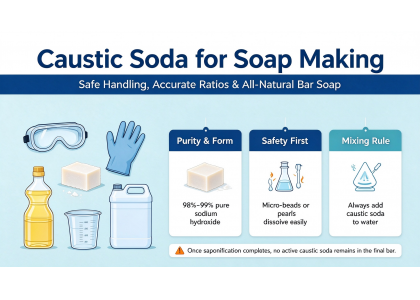
Important Note: Once the saponification process is complete (usually after 24 to 48 hours), no active caustic soda remains in the final soap bar. It has been entirely transformed into pure soap and natural glycerin.
Not all caustic soda is suitable for soap crafting. To ensure your soap turns out safe and solid, check the following criteria before purchasing:
Purity Level: Choose 98% to 99% pure sodium hydroxide. Avoid lower-grade industrial chemicals or drain cleaners, as they often contain impurities, heavy metals, or anti-caking additives that can ruin your soap or irritate your skin.
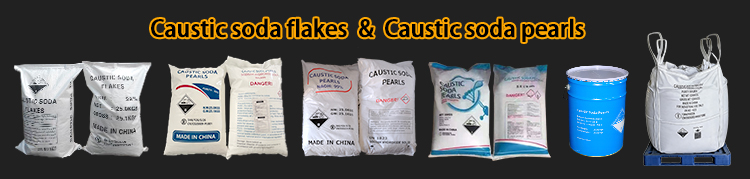
Form Factor: Caustic soda comes in flakes, pearls (pellets), or micro-beads. Micro-beads or pearls are preferred because they dissolve quickly in water and generate less airborne dust compared to light flakes.
Moisture Protection: Always purchase tightly sealed, heavy-duty plastic containers. Caustic soda is highly hygroscopic, meaning it rapidly absorbs moisture from the air, which weakens its strength over time.
Because caustic soda is highly corrosive and generates an exothermic (heat-releasing) reaction when mixed with water, strict safety measures are non-negotiable.
Goggles: Chemical-splash safety goggles (standard eyeglasses are not enough).
Gloves: Long nitrile or rubber gloves to protect hands and forearms.
Clothing: Long sleeves, pants, and closed-toe shoes.
Respirator/Mask: A dust mask or working in a well-ventilated space to avoid inhaling fumes.
Always add caustic soda into water—NEVER pour water into caustic soda. Adding water directly onto caustic soda can cause a rapid, boiling reaction (a "lye volcano") that splashes corrosive liquid everywhere.
Follow these straightforward steps to prepare your lye solution safely:
Measure Accurately: Use a digital scale to weigh your water and caustic soda in separate containers. Never use volume measurements (like cups).
Select Safe Containers: Use heavy-duty HDPE #2 plastic or high-grade stainless steel. Never use aluminum, tin, or glass (glass can etch and crack unexpectedly over time from heat).
Mix Slow and Cool: Slowly pour the measured caustic soda into cold water while stirring gently with a silicone spatula. The solution will heat up rapidly to around 80°C–90°C (176°F–194°F) and emit short-term fumes.
Cool Down: Allow the lye solution to cool down to your recipe's target temperature (typically between 38°C and 43°C / 100°F–110°F) before combining it with your warmed oils.
Mastering caustic soda is the first real rite of passage for any soap artisan. By choosing pure ingredients, strictly observing basic safety protocols, and measuring by weight, you can confidently turn raw oils into nourishing, beautiful homemade soap.
 Fangyuan(Tianjin) Chemical Co.,ltd...[ read more ]


Contact Person:Alice Wang
Tel:86-18622179529
Mobile Phone:86-18622179529
WhatsApp:86-18622179529
E-mail:admin@fangyuan-chem.com
Add:Room 908, Yinzuo Building, No. 35, Second Avenue, Tianjin Economic and Technological Development Area
